


When facing a legal dispute, many people are confused about whether their matter belongs before the High Court or the Supreme Court of India. Understanding the distinction between these two constitutional courts is essential for anyone seeking legal remedies.
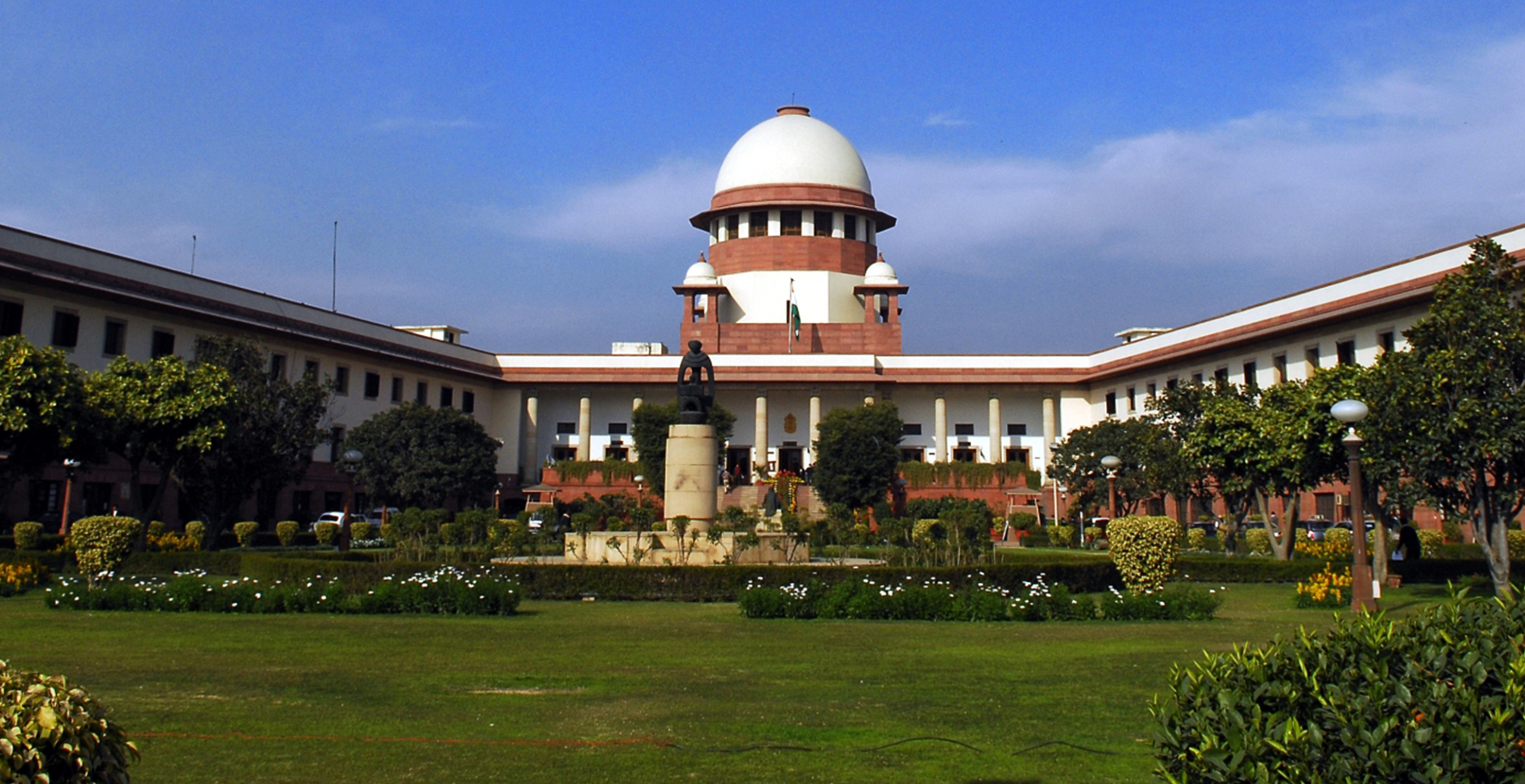
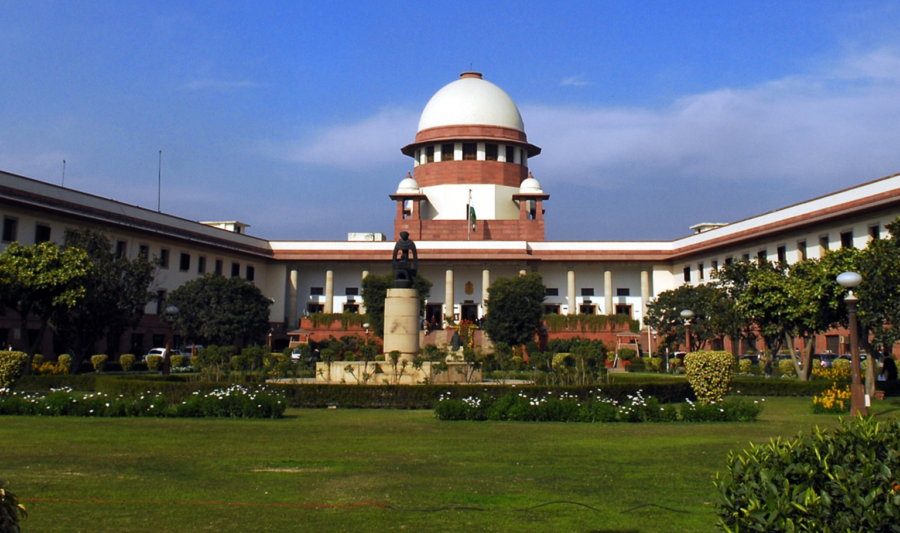
The Supreme Court of India is the apex judicial authority of the country. It primarily handles constitutional matters, appeals from High Courts, disputes between states, and cases involving substantial questions of law. Decisions of the Supreme Court are binding on all courts across India.
The High Courts, on the other hand, function at the state level and exercise jurisdiction over civil, criminal, constitutional, and administrative matters within their respective states. High Courts also supervise subordinate courts and tribunals functioning within their territorial jurisdiction.
A common misconception is that every matter can directly reach the Supreme Court. In reality, most cases begin before trial courts and may subsequently proceed to the High Court and then the Supreme Court through appeals or special leave petitions.
The legal process also differs depending on the nature of the dispute. Constitutional interpretation, fundamental rights issues, and nationally significant legal questions are more commonly dealt with by the Supreme Court, while everyday litigation involving property disputes, matrimonial issues, criminal proceedings, and service matters are often handled before district courts and High Courts.
Seeking proper legal guidance at the initial stage is crucial because choosing the correct legal forum can significantly affect the outcome, timeline, and cost of litigation.